The OTA (Online Travel Agency) industry – specifically for hotels, hostels, and other accommodations – is dominated by a small number of very large players.
Their model is fat, their margins are too big, and hotel operators dislike them. They operate effectively as an oligopoly – sucking up the lion’s share of industry value and delivering it to their beneficial owners (i.e. large fund managers) through EPS.
However, these large players are burdened with a high cost model, which includes leased commercial real estate (offices), expensive sub-optimal customer care, and bloated staffing models that continue to burgeon, despite their efforts to outsource to India etc.
They’re prime for disruption.
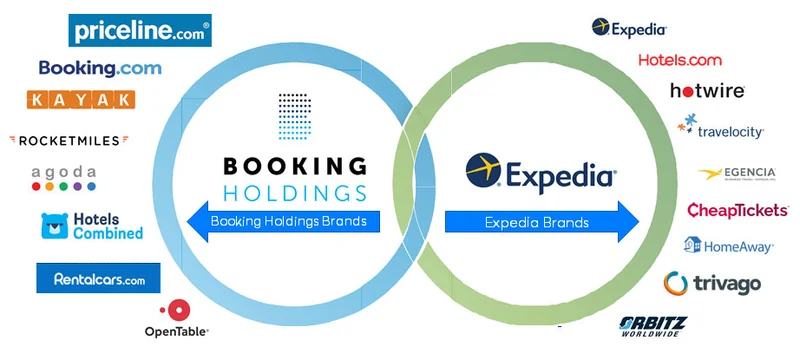
Booking Holdings and Expedia group control > 80% of the European market. The commission charged to hotels averages at around 15% so on a $100 hotel reservation, Expedia, Booking etc. earn around $15 of revenue.
The barrier to entry for new entrant OTA start-ups is now incredibly low, due to ‘Channel Manager’ services like Siteminder which provide APIs enabling new market entrants to pull all content (Hotel description, photos, room rates, distance to beach etc.) of more than 50,000 hotels, and sell rooms directly to end customers. This allows new disruptive OTA’s to start competing with Booking, Expedia etc. with highly optimsed business models and/or a specialist focus. One example of a successful niche OTA using Siteminder inventory is HalalBooking.com
An optimsed ‘Orange Pillow’ / ’21 Hotels’ product (affiliated with paywithbitcoin) might include:
- Significantly lower commissions and more aggressive pricing.
- i.e. hotel pays 5% rather than the standard 15% commission
- customer chooses to pay $90 (in bitcoin) rather than $100 by card – for the same room with same terms.
- The ability to receive confirmations as a Pubky/Keet message.
- All bookings are prepaid (non-refundable best available rate)
- Eliminates customer support demand due to date changes
- Customers may choose to buy bolt-on cancellation-for-any-reason insurance product, as used by airlines such as Easyjet
- Exclude accommodations without upper-quartile review score
- i.e. only list properties rated >8.6 at booking.com
- consistent with the project’s emphasis on quality
- significantly minimises Customer Service demand.
- Next generation support model
- ‘first touch’ customer service handled by AI
- human support by competent digital nomad team members
- real time management information
- An ‘aftermarket’ that operates like ticketswap.com allowing people to resell/auction room nights they’ve purchased (pre-paid) but are unable to use. This can be carried out through Siteminder’s API (i.e. change of name for a given reservation number).
Combining a number of the optimisations described above, could create very significant market disruption.
A killer acquisition strategy would be to use revenue from generated from higher-end properties (luxury hotels etc.) in order to aggressively discount/subsidise the world’s most awesome hostel and capsule stays by distributing them at 0% margin or even negative margin.
This would fulfill user stories of our target demographic:
User Story
As a young, internationally mobile backpacker or digital nomad, with Bitcoin in an Ark or Bolt 12 compatible lightning wallet, I want access to coolest budget accommodation across the world, for the lowest price possible, so I can meet and connect with like-minded people, make new friends, and flow…
The ‘upper funnel’ of the OTA model includes distribution channels such as Google Maps that provide price comparisons between OTA’s for a specified property and date. These are known in the industry as ‘meta’ distribution channels (the name pre-dates the facebook name change).
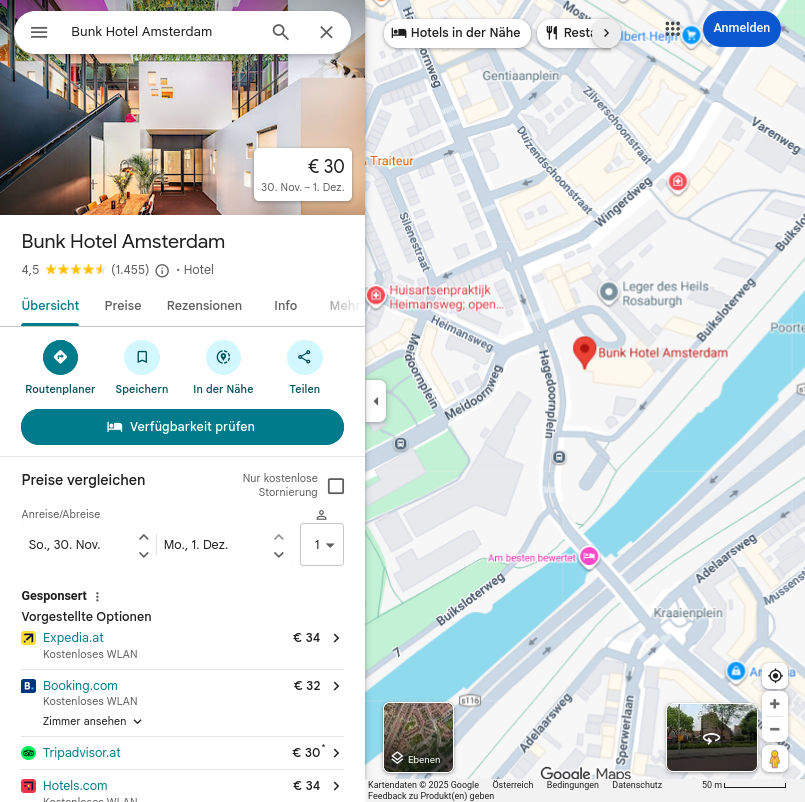
Budget-conscious travelers will often lift the lowest price, even if it’s from an OTA they haven’t used before. We could potentially accept fiat card payment, and perhaps give a small number of ‘sats back’ in order to remain true to mission. Such a strategy would allow us to directly undercut the prices of competitors on fiat terms, while simultaneously offering a small amount of bitcoin back (i.e. satsback) after the reservation is confirmed. All the user has to do is download one of the Bolt 12 & Ark compatible wallets we suggest, and scan a Bolt 12 Refund or Ark voucher. A Gamification option would be a ‘Spin the wheel’ that allows the user to win different amounts of bitcoin.
The size of the global OTA industry in annual gross bookings/revenue is currently estimated to be $500-600Bn and is on track to reach $trillion by the end of the decade.
Given the potential for disruption, this section of the website could generate significant. Profits can cross-subsidise other areas of the project.
Early-stage hard revenue streams, such as this one, will support early stage capital raising activities, and appeal to any capital partners we choose to invite onto the team.